
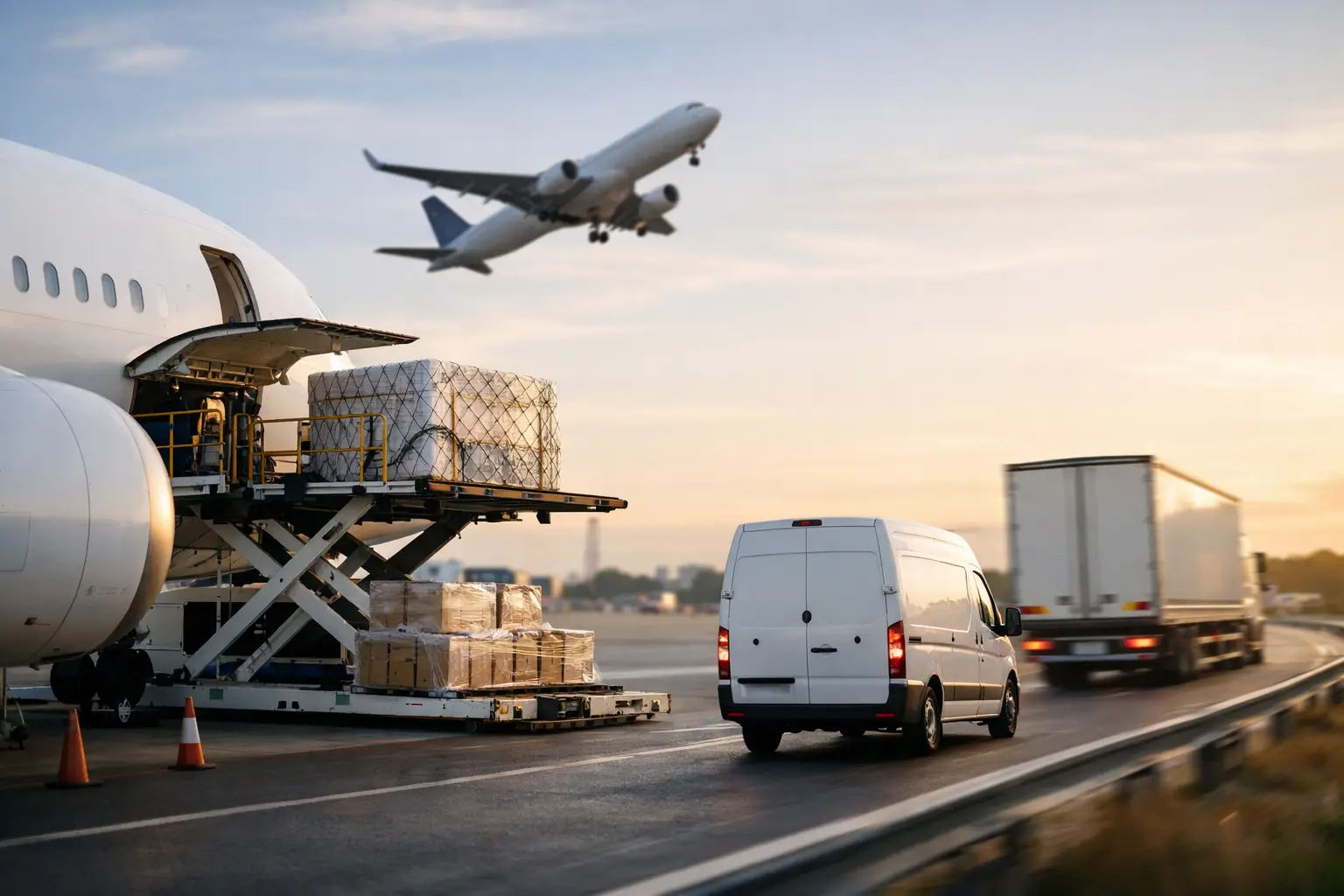
A production line waiting for one component, a shop fitting team booked for an overnight installation, or a legal bundle needed at a hearing cannot afford to be treated as just another label in a parcel network. When the consignment is time-critical, valuable, fragile or difficult to load, this specialist freight guide helps you decide what level of transport control is required.
Standard networks have their place. They are designed for regular, boxed items that can tolerate depot handling, route changes and broad delivery windows. Specialist freight is different. It is about matching the vehicle, driver, route and handling plan to one important delivery, then keeping responsibility clear from collection through to proof of delivery.
What specialist freight actually means
Specialist freight is dedicated transport for consignments that do not fit ordinary courier or pallet-network processes. That might mean a delicate exhibition display, machinery parts, architectural samples, print materials, high-value equipment, oversized joinery or a consignment with a fixed timed slot.
The key distinction is control. Rather than being collected into a multi-drop route, moved through one or more depots and allocated to the next available vehicle, the consignment is loaded onto a vehicle assigned to that job. It travels directly to its destination with no unnecessary transfers or handling points.
This is not always the cheapest option on paper. It can, however, be the lower-cost decision once the consequence of failure is considered. A damaged panel can halt an installation. A late component can leave engineers idle. A missed delivery slot can mean a project team, lifting equipment and site access have all been booked for nothing.
When a dedicated vehicle is the right choice
Urgency is the obvious reason to arrange specialist freight, but it is not the only one. The most suitable transport method depends on what is being moved, where it must go and what happens if it arrives late or damaged.
A dedicated service is usually appropriate where collection is needed immediately, delivery must happen on the same day, or the recipient has set a precise arrival time. It is also the sensible choice where the item cannot safely pass through a conveyor-based network or be repeatedly loaded and unloaded.
Value matters too. High-value goods need more than a tracking reference. They need a defined chain of responsibility, secure loading, a trained driver and clear confirmation of completion. The same applies to unusually shaped or oversized loads. If an item is too long, too heavy, too fragile or too awkward for a standard van, forcing it into a standard service creates avoidable risk.
There are also practical access issues. A central London delivery may require a ULEZ-compliant vehicle and careful timing. A construction site may need a mounted forklift. A large item may need a sliding-roof vehicle for safe crane loading. Specialist transport starts by identifying those requirements before a vehicle is dispatched, not when the driver has already reached the collection point.
A specialist freight guide to planning the job
The quality of information given at booking directly affects how smoothly a delivery runs. You do not need to become a transport planner, but a few accurate details allow a Transport Consultant to select the right vehicle and prevent surprises.
Start with the item, not the postcode
Dimensions, weight, quantity and packaging are fundamental. Give the length, width and height of the item as prepared for transport, including pallets, protective cases or protruding sections. Describe whether it can be stacked, whether it has lifting points and whether it must remain upright.
Photographs can be useful for unusually shaped items, but they should support rather than replace measurements. A consignment described as “a few panels” may turn out to be long, flexible, easily marked and impossible to secure safely in a small van. Accurate descriptions allow the vehicle to be matched properly from the outset.
Be clear about timing and site conditions
State whether the requirement is immediate collection, a booked collection time or delivery by a non-negotiable deadline. If the consignee has a timed slot, provide it exactly, along with their contact details and any reference number needed for access.
Collection and delivery points can create as much difficulty as the load itself. Mention restricted access, height barriers, narrow roads, loading-bay rules, security procedures, booking systems, stairs, forklifts, tail-lift requirements and any need for driver assistance. This is especially relevant for sites in London, busy retail locations and active construction projects.
Explain the consequence of delay
Not every urgent delivery needs the same response. A component needed before 4 pm to keep a manufacturing line operating is different from a document that is preferable to receive that afternoon. Explain what is at stake so the transport plan reflects the real priority.
That may mean direct same-day delivery, a timed service, a scheduled dedicated run or a vehicle remaining on standby until the goods are ready. The right answer depends on the job. Paying for an immediate vehicle when collection will not be possible for six hours is inefficient. Conversely, choosing a cheaper network service for a deadline-critical item is often a false economy.
Why direct delivery reduces risk
Every additional handover introduces a new opportunity for delay, loss or damage. In a conventional parcel network, that may be acceptable because the service is built around volume and standardisation. For specialist freight, it is often the risk you are trying to remove.
One vehicle, one delivery means the driver collects the consignment, secures it and takes it directly to the required destination. There are no depot transfers, no sorting belts and no other consignments dictating whether your job is delayed. The route can be planned around the delivery requirement rather than a multi-drop schedule.
Direct delivery also makes communication simpler. You know which vehicle is carrying the goods and can receive real-time tracking and progress updates. If site access changes or the recipient asks a question, there is a clear route to the person accountable for the job. That visibility is reassuring for private customers, but it is particularly valuable for operational teams managing several moving parts at once.
Careful handling is more than using blankets and straps, although both matter. It includes selecting a vehicle with suitable load space, distributing weight correctly, securing the consignment appropriately and ensuring the driver understands the delivery instructions. For fragile items, a direct journey with fewer loading cycles is frequently the best protection available.
Choosing the vehicle for specialist freight
Vehicle choice should follow the load and the delivery environment. A small van can be ideal for urgent documents, samples or compact technical equipment, while a larger van may be needed for bulky print runs, retail fixtures or multiple cases. For heavier and longer loads, a lorry may be the safer and more efficient option.
A broad fleet gives you options, but it does not mean bigger is always better. An oversized vehicle may be unable to access a constrained site or may add unnecessary cost. A vehicle that is too small can compromise loading, stability and protection. The objective is the right vehicle, not simply the next available one.
Specialist features can be decisive. A sliding roof supports top loading by crane. A mounted forklift can make delivery possible where the recipient has no handling equipment. Tail lifts assist where goods need to be safely lowered to ground level. Discuss these requirements early, particularly for machinery, building materials, shop fittings and awkward loads.
At Redhead Couriers, this assessment is part of the service: practical advice first, then a dedicated vehicle that is suitable for the consignment and the destination.
Questions worth asking before you book
A dependable specialist freight provider should be able to answer straightforward operational questions without vague promises. Ask whether your consignment will remain on one vehicle, whether it will be handled at a depot, how it will be secured and what tracking or delivery confirmation will be provided.
You should also ask who will manage the job if timings change, whether the proposed vehicle can meet site restrictions and whether the driver has the information needed to complete delivery. For recurring work, ask about an account arrangement and whether collection patterns, vehicle types and reporting can be tailored to your operation.
Credentials and fleet standards matter, especially when your work involves urban access or supplier compliance. FORS Silver accreditation and ULEZ-ready operations can be relevant indicators, but they should sit alongside the essentials: trained drivers, maintained vehicles, responsive communication and a provider willing to take ownership when the job is difficult.
Make the booking easier for everyone
The best specialist freight jobs are not necessarily simple. They are the ones where the risks have been identified early and the transport plan reflects reality. Give clear measurements, honest handling requirements, accurate contacts and a precise explanation of the deadline. In return, expect clear advice, a suitable vehicle and direct accountability.
If a delivery would cause real disruption if it went wrong, treat it as a specialist job from the beginning. A short conversation with a dedicated Transport Consultant can protect the consignment, the schedule and the people waiting for it.